Life at Sea – Cruise Ships, Cabins, Dining & High-Seas Casinos
Your independent New Zealand guide to ocean voyaging. Compare stateroom layouts,
discover diverse onboard dining, explore high-seas casino gaming, and navigate South Pacific and Fiordland
itineraries with complete confidence.
Voyagepa Thguide provides independent guidance and comparisons. We are not
a cruise operator or booking agency.
01 Cabins
Placement, light and storage
02 Dining
Venues, pace and inclusions
03 Recreation
Sea-day practicalities
04 Casinos
18+ international-waters context
05 Itineraries
New Zealand port regions
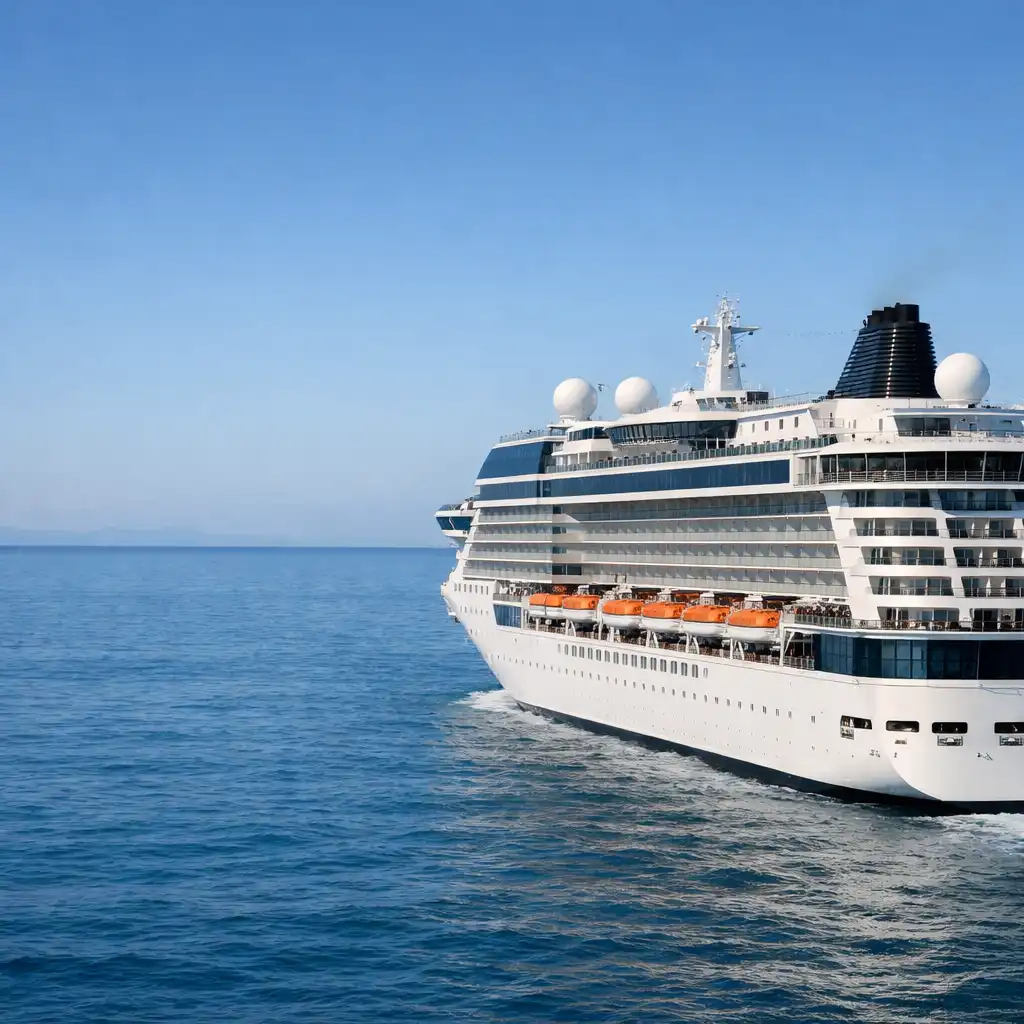
Deck geometry and horizon context are useful starting points for practical ship research.
The working ship
What is Modern Ocean Cruising?
A contemporary sailing is more than transport between ports: it is a planned moving environment with
private space, shared circulation, daily routines and changing coastal context.
Floating community
A moving, self-contained community
A modern ocean ship brings accommodation, public rooms, hospitality, navigation, staffing and daily
programmes together in one travelling community. It has planned rhythms: people move from cabins to meals,
decks, activities and shore days through shared routes. Designs and operating patterns differ, so Voyagepa
Thguide compares the questions worth checking rather than promising one universal onboard experience.
Cabin research
Private cabins, shared choices
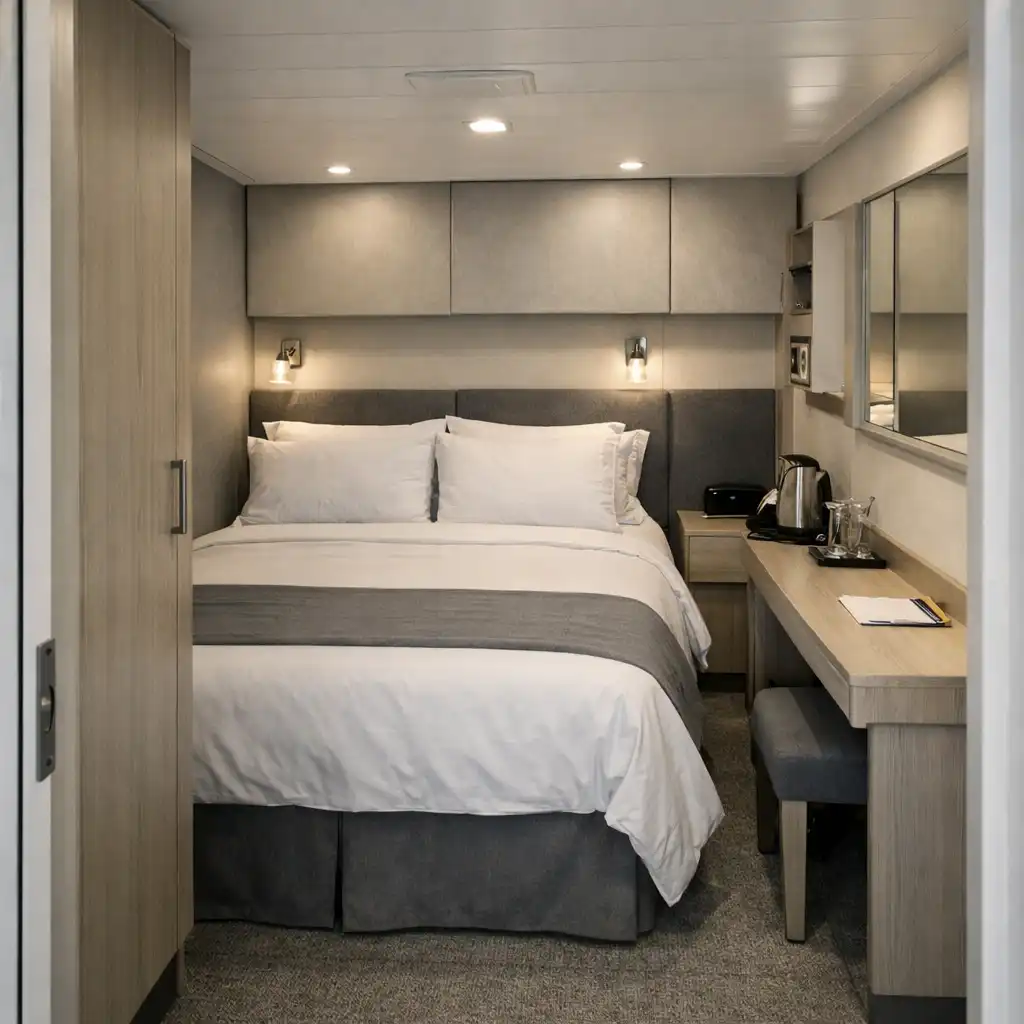
Modular staterooms are the private base for a sailing, but placement, daylight, storage and proximity
to activity can change how they feel. Check the latest plan for the specific vessel before comparing
cabins with communal dining, lounges and decks.
Dining venues, casual options, live stage entertainment and social spaces create parallel choices
rather than one fixed routine. Inclusions, opening times and access differ by sailing and operator, so
current documents matter.
Check inclusionsCheck opening
times
Regional context
Coastal passages from New Zealand
Scenic coastal voyages can begin from ports such as Auckland and Lyttelton. Some ships operate
full-scale casinos in international waters, but availability depends on position and relevant rules. Use
regional research to understand the route, not to assume a fixed package.
18+ context applies
Research atlas
Key highlights
Start with the topic that affects your day-to-day experience, then compare it against current ship and
sailing information.
01
Deck layouts and navigational guides
Verified published layouts and orientation guides help you locate lifts, public spaces and likely walking
routes before embarkation. Always compare against the latest materials for the specific ship; these guides
are not real-time tracking.
02
Stateroom and cabin categories
Compare location, outlook, likely motion, accessibility needs, storage and noise considerations. Layouts
vary by vessel, so use the category as a starting point and the current plan as your reference.
Our dining research looks at venue patterns, global and casual options, dining pace and opening times.
Check what is included on your sailing before treating any venue as a certainty.
Factual coverage helps eligible adults understand games, access conditions, international-waters
operation, etiquette, limits and responsible gambling. Gaming is never presented as a way to make money.
Open decks, fitness facilities and indoor alternatives can shape a sea day. Weather, vessel design and
schedules affect availability, so planning apps and daily programmes are useful practical tools.
06
Navigation and eco-efficiency systems
Navigation and operational systems matter because they support safe, efficient ship operation. This guide
explains their traveller relevance without making performance claims for individual vessels.
Trans-TasmanSub-AntarcticSouth Pacific
Regional itineraries
Consider weather, sea days, route length and port variability across regional journeys. Routes and
conditions can change, so avoid treating a planned call or sighting as guaranteed.
08
Budgeting, currencies, and service charges
Review onboard budgets, cruise currencies, folio spending, service charges and included versus optional
costs before sailing. Terms are ship-specific and should be checked in current documents.
Practical comparison
Cabins & Stateroom Selection
Stability starts with position
Midship can be a useful comparison point for travellers concerned about motion, while bow and stern
positions may feel movement differently. Sea state, ship design and itinerary still matter, so no
location guarantees comfort or prevents seasickness. Consider your own sensitivity and use the current
ship plan to see where a cabin sits.
BowMidshipStern
Generic planning aid, not a verified vessel blueprint.
Deck height and connections
Deck height and lift proximity affect walking distance, access to public spaces and time spent moving
around the ship. Convenience can also bring passing traffic or sound, depending on layout. Published
deck plans remain the best reference for a particular vessel.
Light, view, and space efficiency
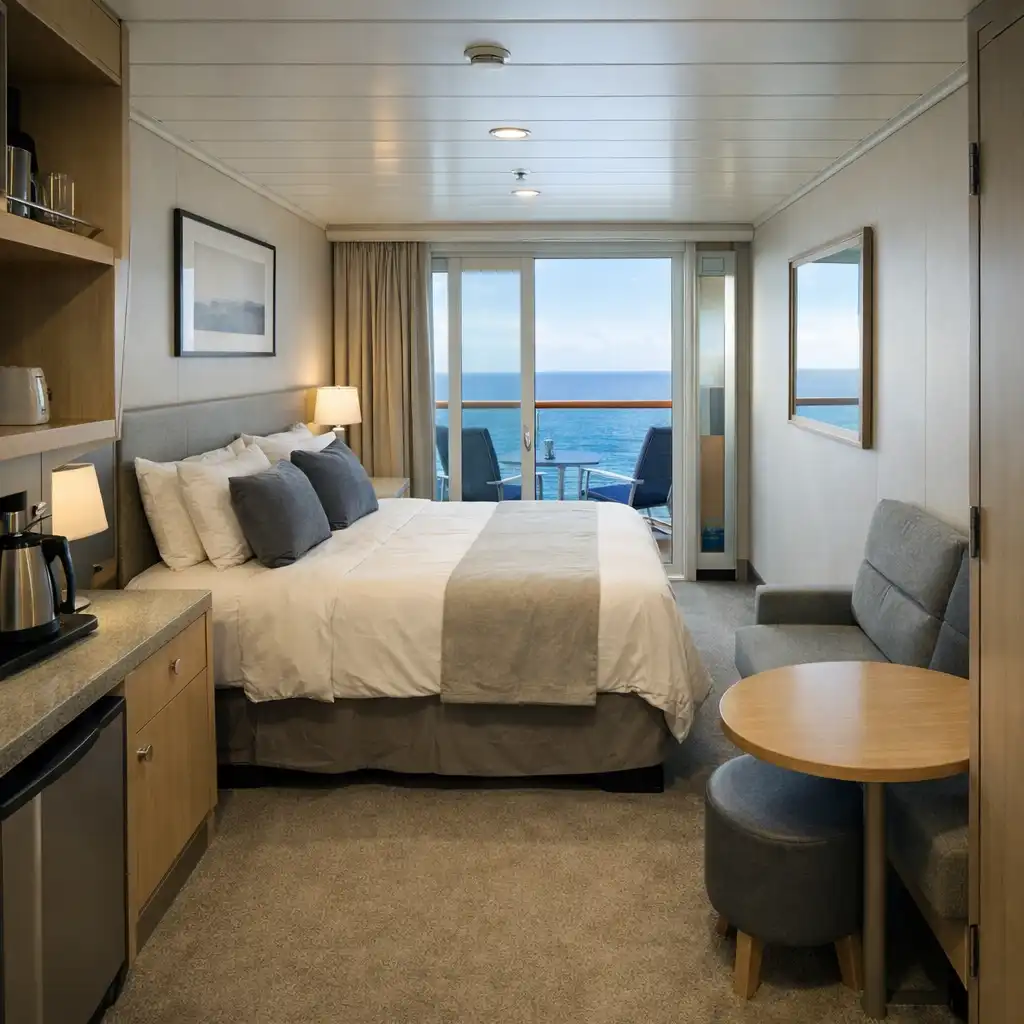
Natural lighting, window or balcony outlook, interior-cabin trade-offs, luggage placement and clear
circulation all affect comfort. Exact dimensions and furniture vary, so review current cabin details
and accessibility needs separately where relevant.
Onboard orientation
Life on Board & Ship Infrastructure
Understand the systems and shared places that connect a cabin to the rest of a ship, then use current
sailing materials for the final details.
Conceptual information atlas
From stateroom to shared venues
Stateroom categories connect to dining venues, open-deck recreation, evening entertainment and, for
eligible adults where operating, international-waters casinos. Exact venue mix and access vary by ship.
Reviewing deck layouts before boarding helps turn a large ship into manageable zones rather than a
confusing maze.
CabinsDiningOpen decksEvenings18+ casino
context
Sea-day planning and finding your way. Daily programmes, planning apps
and deck maps can coordinate activities, dining, shows, fitness, quiet spaces and meeting points. Features
differ by operator and connectivity; use maps as orientation tools, not live navigation.
Folio basics
Cashless folios and onboard spending
Cashless folio card systems may charge eligible onboard purchases to an account. Before sailing,
understand account setup, currency, charge review, service charges, optional extras and settlement
policies. There is no universal currency or payment rule.
Set up the account
Review charges
Understand current terms
Shore-day planning
From fjords to island groups
Milford Sound, the Bay of Islands and Polynesian archipelagos each reward timing and weather research.
Check port or tender processes, activity level and current sailing material; conditions and available
shore options can change.
Milford SoundBay of
IslandsVariable conditions
Continue regional cruise and port research through the official New Zealand directory after comparing
onboard practicalities.
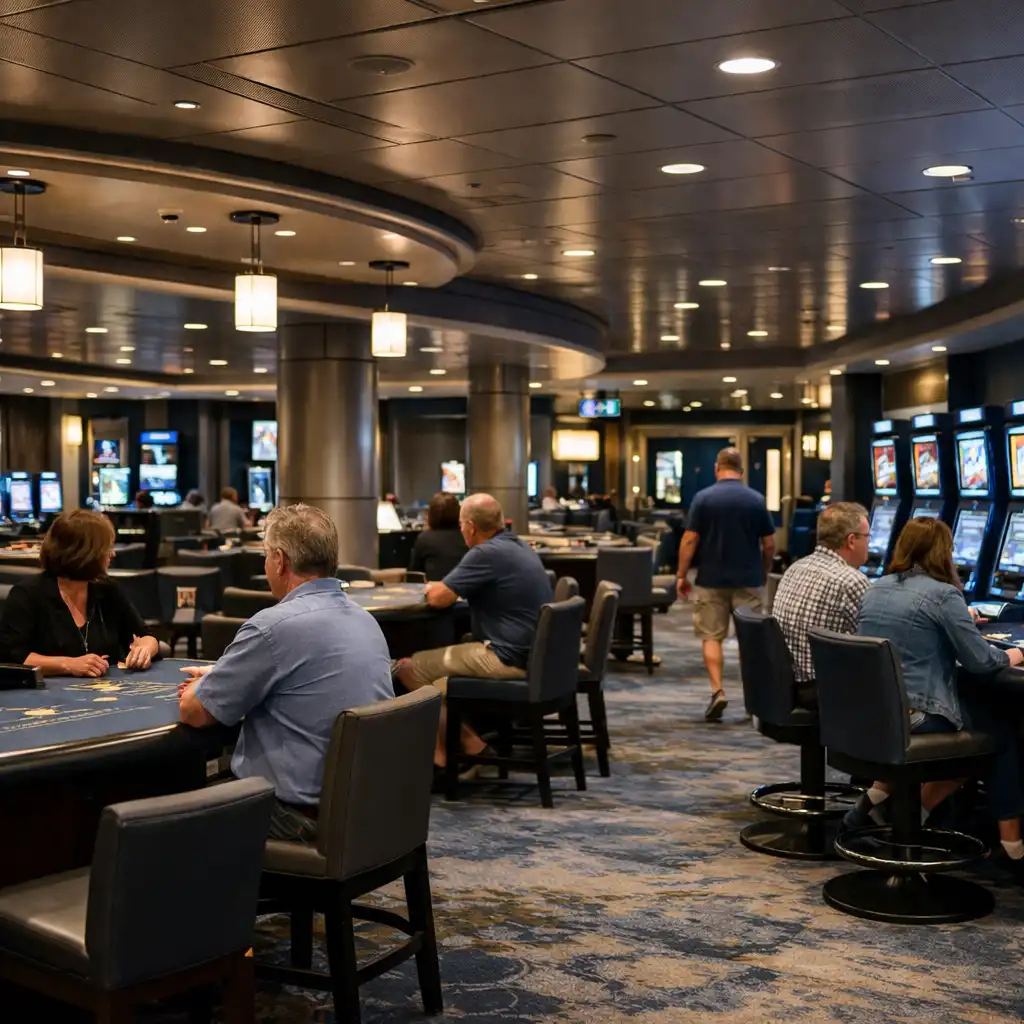
Onboard casinos commonly operate in international waters. Availability, opening times, game selection
and rules can change with ship position, itinerary and applicable requirements. Check current onboard
information and follow local and ship rules. Casino access is restricted to adults aged 18+ and should
always follow responsible gambling guidelines.
Games and digital terminals
Depending on the vessel, visitors may encounter a mix of table games and terminals. Availability
varies, so treat this as an orientation list rather than a promise of what will be onboard.
Blackjack
Single/Double-Zero Roulette
Three-Card Poker
Baccarat
Video slots
Digital gaming terminals
Etiquette, attire, and payments
Respectful table etiquette and venue-appropriate evening attire help shared spaces run smoothly.
Cashier cage payout policies, folio keycards, cash buy-ins and house limits are ship-specific. Ask crew
for current procedures rather than assuming a payment method or policy applies everywhere.
Visual research
Cruise life in focus
These images provide visual context for layouts, accommodation, social spaces, coastal observation and
vessel scale. Facilities and finishes differ by ship and sailing.
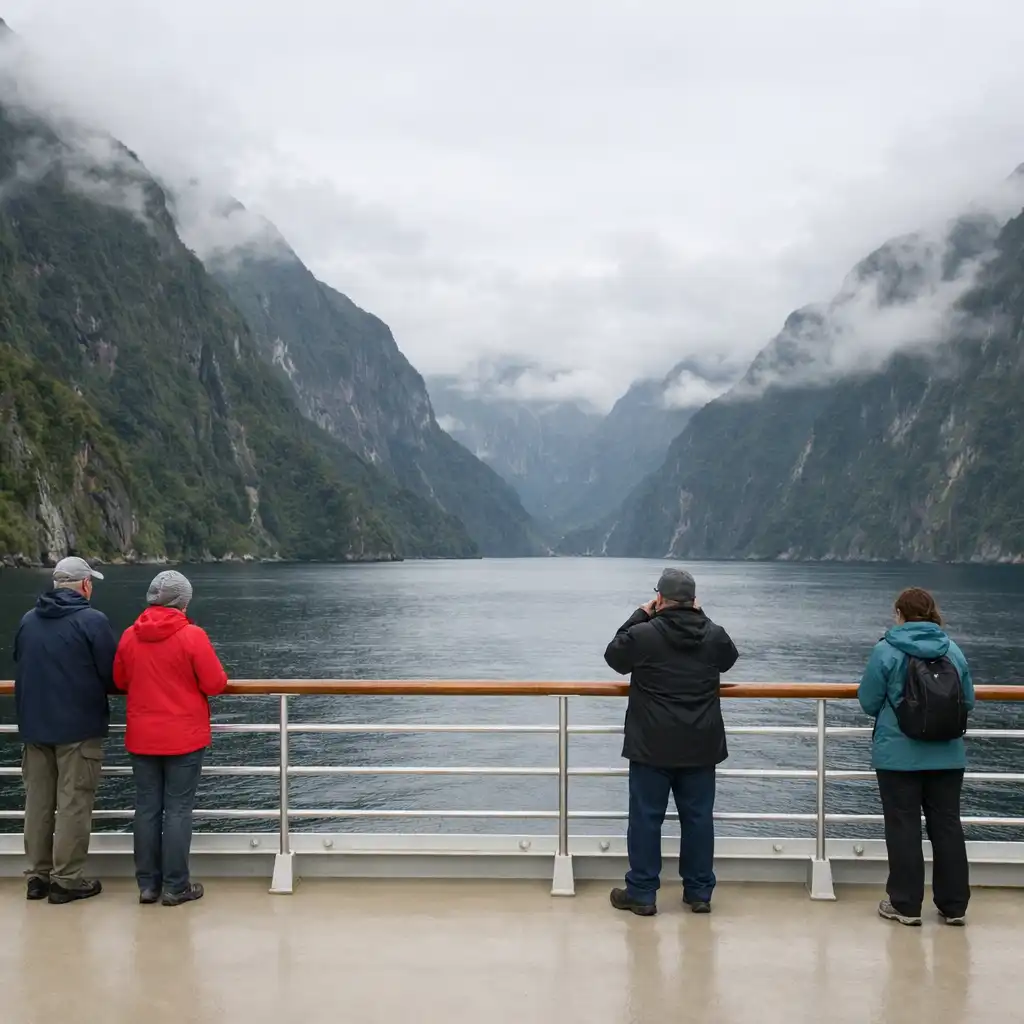
Milford Sound observation. Railing position, outerwear and sightlines matter
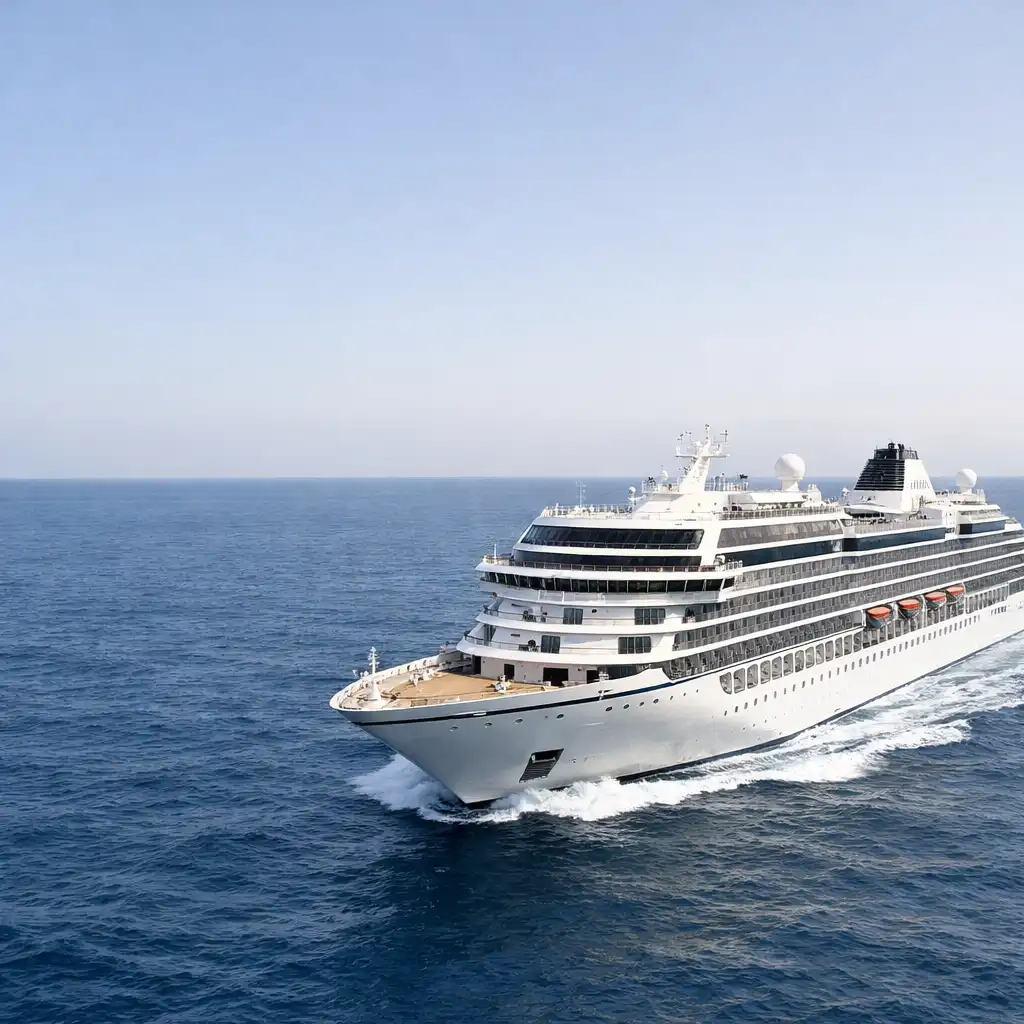
when planning a deck viewing period.Liner at sea. Open-water scale puts deck plans, sea days and public circulation
into perspective.Balcony cabin. Look at the bed-to-door axis, natural light and rail outlook.
Interior layout. Storage edges and a clear walking path reveal space
efficiency.Casino circulation. Clear aisles and venue layout matter for eligible adult
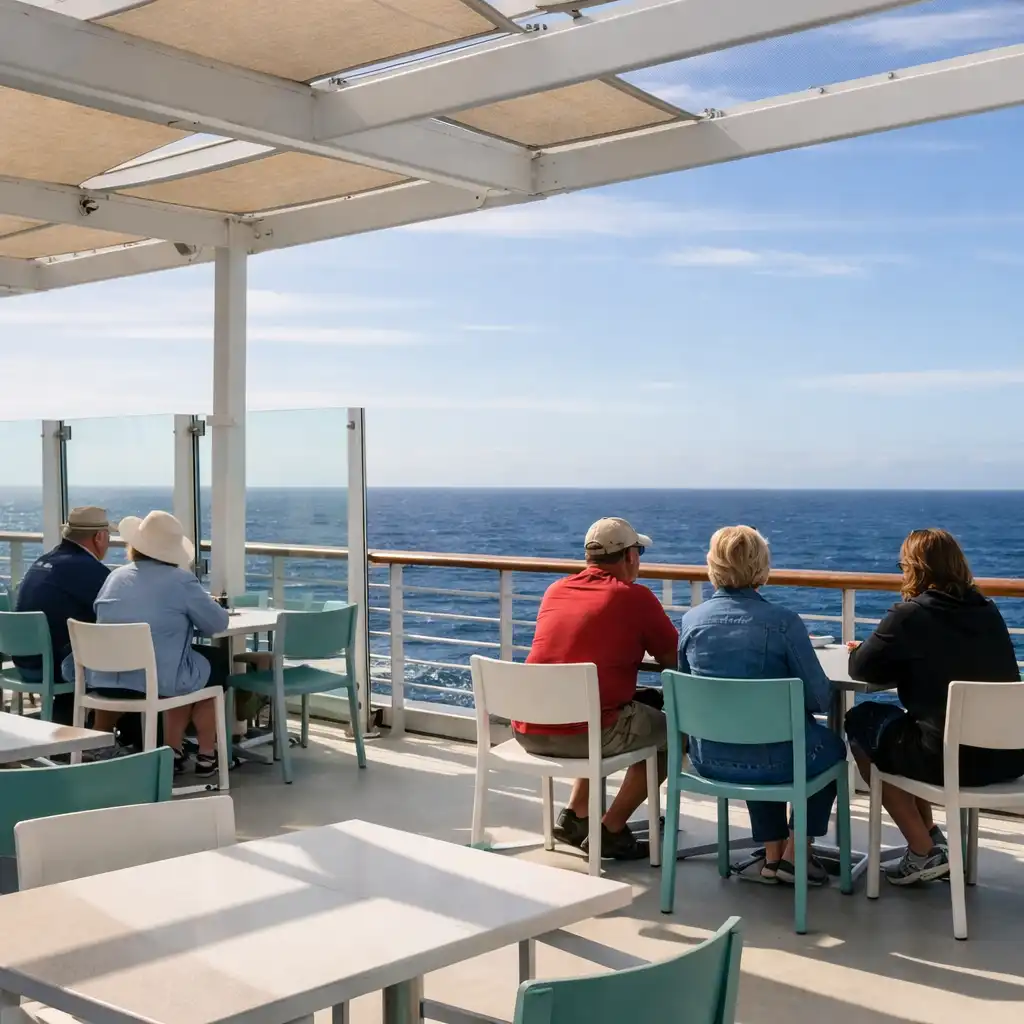
visitors.Open-air dining. Railings, cover and weather exposure affect the outdoor dining
experience.
Travel style
Who is it for?
Cruising suits different travellers for different reasons. The useful test is whether its rhythm, shared
spaces and regional route context match your preferred way to travel.
45°S · coastal views
Scenery-first coastal travellers
Scenic coastal sailing and fjord sightseeing suit travellers happy to watch a changing shoreline and
weather from public decks or observation areas. In Fiordland, thoughtful pacing and view planning matter;
weather, wildlife and port calls are never guaranteed.
Route sequence
Multi-destination travellers
Moving between destinations without repeated hotel packing appeals to many travellers. It also means
embarkation routines, sea days and shipboard schedules become part of the journey, with port frequency
varying by itinerary.
Check inclusions18+
gaming
Social evenings and food explorers
Evening entertainment, varied culinary experiences and, where available, round-the-clock dining can suit
sociable travellers. Casual table gaming is for eligible adults only; venue hours and food inclusions
differ by ship.
AucklandWellington
Sea-day getaway planners
Travellers considering sea-day getaways departing from Auckland or Wellington may enjoy researching
onboard routines, deck time and entertainment alongside regional routes. Check current official
information because departures vary.
Planning questions
Frequently asked before sailing
Use these answers as preparation prompts, then verify ship-specific details with current operator and
official material.
Casino operation commonly depends on a ship’s international-waters position and applicable rules, so
opening times, access and games can vary by sailing and location. Casino gaming is for adults aged 18+
only and should follow responsible gambling guidelines. Check current onboard notices rather than
treating any casino arrangement as universal.
Inclusions vary. Check fare terms and sailing documents for accommodation, dining access, activities,
service charges, drinks, specialty venues, connectivity and shore options. Avoid assuming a service is
included simply because it is available onboard; current operator and official materials give the
specific answer.
Onboard currency and charging arrangements differ by ship and itinerary. Many sailings use a cashless
folio account connected to a keycard or account system, but settlement rules vary. Confirm the current
currency, charge-review process and payment terms before sailing rather than relying on a universal
arrangement.
18+ only Onboard casino gaming is restricted to adults aged 18+.
Follow the ship’s current eligibility, identification and responsible-gaming rules. Do not assume access
conditions from another sailing or venue apply to yours.
Connectivity availability, performance, coverage, packages and conditions vary by ship, route, weather,
satellite service and demand. Expect variation at sea and check your sailing’s current information.
Avoid planning essential work or high-bandwidth tasks on the assumption that coverage will be constant.
Seasonal timing and departure options change by itinerary and operator. Auckland, Wellington and
Lyttelton are relevant New Zealand port references to research alongside South Pacific, Trans-Tasman,
Fiordland and Sub-Antarctic routes. For current options, consult the official New Zealand
cruise directory (opens in a new tab).
Next chart point
Ready to Map Your Next Journey Across the Open Waters?
Continue with current cruise and port information through the official New Zealand directory. Voyagepa
Thguide remains an independent research guide, not a cruise operator or booking agency.