Ship directory / independent research

Practical ship research for New Zealand cruising

Voyagepa Thguide helps you compare the onboard conditions that shape a cruise experience before you look for current sailings. Use this directory framework to assess cabins, deck layouts, dining flow, recreation, accessibility and port context for maritime travel connected with Auckland, Wellington and Lyttelton.

Independent guidance, not booking. Voyagepa Thguide is an English-language New Zealand cruise review, cabin guidance and maritime travel portal. We provide practical comparison information; we are not a cruise operator or booking agency.

Explore Cruises & Port Guides (opens the official New Zealand cruise directory in a new tab)

For current cruise discovery, the official directory opens in a new tab.

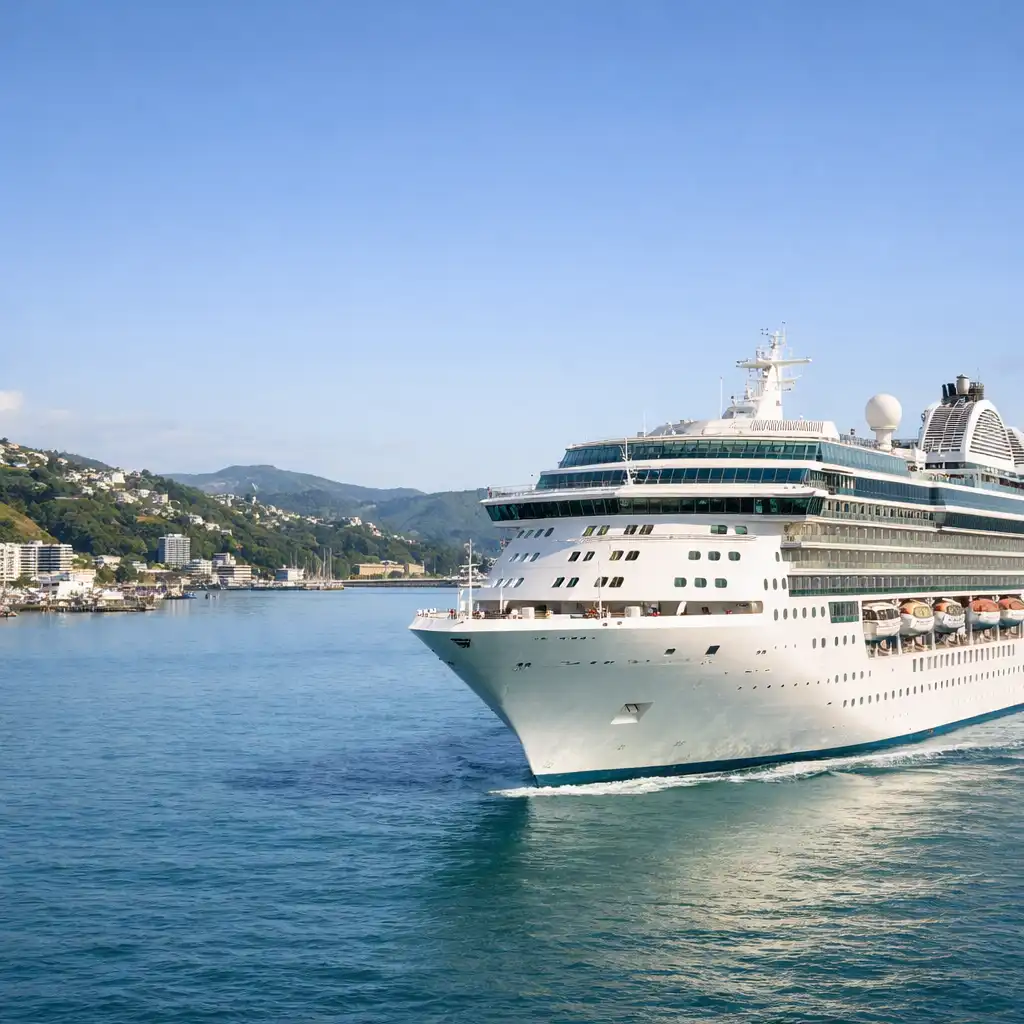
Ocean cruise ship approaching a bright New Zealand harbour with waterfront context
Use ship form and harbour context as research cues, not as a promise about a named vessel or sailing.

Choose a research route

Start with the question that matters to your day at sea

These are practical lenses, not a live inventory. Pick one to organise the details you want to compare, then verify time-sensitive information through current official sources.

Route conditions

By route conditions

Route research starts with likely sea days, scenic sailing, weather exposure and port operations—not destination names alone. Coastal and fjord days, South Pacific journeys, Trans-Tasman crossings and Sub-Antarctic research each create different reasons to inspect observation areas, sheltered space and cabin position. Match the layout to how you expect to spend changing conditions, rather than assuming one arrangement suits every voyage.

Compare route contexts

Cabin and deck

By cabin and deck priorities

Cabin choice is a trade-off among location, likely motion, view, accessibility, storage, nearby noise considerations and distance to the spaces you will use. Put category descriptions beside a deck plan before drawing conclusions. There is no universally best deck: personal comfort, mobility and daily habits all change what practical means for a particular traveller.

Read the cabin atlas

Onboard rhythm

By onboard rhythm

Compare the flow between dining, lounges, pool or recreation zones, theatre or activity spaces and quiet indoor areas. Layout affects walking distances, queues, weather shelter and the atmosphere around evening venues. A useful comparison asks where people gather, how they move between decks and which quieter alternatives remain available, without attaching unverified claims to any individual vessel.

Trace public-deck routes

Profile anatomy

What a useful ship profile should reveal

Good comparison information makes the evidence visible. Look beyond broad category labels and use a profile to connect your needs with the plan, public spaces and operational context.

01

Cabin position and internal practicality

A useful profile connects a cabin category with its location and deck, likely motion considerations, nearby noise sources, outlook, storage and accessible configuration where published. Inspect the deck plan instead of relying on category names alone: two cabins described similarly may sit beside very different spaces. Practical suitability depends on your comfort, routines and mobility needs, so use the plan to ask focused questions rather than seek a universal answer.

02

Public spaces and daily circulation

Locate dining rooms, casual food venues, lounges, pool decks, theatres, lifts, stairs, guest services and sheltered viewing areas where they are published. The useful comparison is walking distance and crowd flow, not a generic amenity count. Check how a repeated journey might work at breakfast, before an evening event or when the weather changes. Deck-plan labels and venue arrangements can change, so confirm current details when they affect your decision.

03

Operational and port-facing context

Research embarkation flow, tender versus alongside access where relevant, scenic-deck access and how the ship’s scale and layout may affect time ashore. For Auckland, Wellington and Lyttelton reference days, connect ship-side movement with the preparation you need on land. Coastal and fjord sightseeing can also be weather-sensitive. Treat arrangements as matters to check, not guarantees made by a directory.

Cabin location atlas

Cabin location is a set of trade-offs

Forward, midship and aft positions can affect perceived movement, walking distance and the kind of outside view or wake exposure a cabin may have. Experiences vary with ship design, sea state, speed and individual sensitivity, so compare every location against its deck plan.

Position check

Forward, midship, and aft are different trade-offs

Use the location to frame a question, not a verdict. Consider routine walks, your relationship with open-water conditions and what sits around the cabin. The plan gives the context that a category name cannot provide.

Check on plan

Above, below, and beside

Outdoor areas, venues, service zones, lift lobbies, crew operations and early-morning setup are all useful to identify. Checking proximity is sensible; assuming a noise level is not. Published plans may not show every operational detail.

Horizon context

View and weather exposure

Consider a balcony, window or public observation space alongside likely wind, sea spray and time outside—not photo appeal alone. This is relevant for coastal and fjord research as well as open-water Trans-Tasman and Sub-Antarctic contexts.

Accessibility check

Accessibility and practical movement

Look for published accessible cabin details, bathroom layout information, lift proximity, thresholds, route lengths and public-space access. Needs differ, and current operator confirmation matters when these details shape your trip.

Daily circulation

Decks that shape the day

Start with the routes you will repeat

Trace common walks between your cabin, breakfast, an outdoor deck, dining, an evening venue, lifts and guest services. Daily convenience can matter more than raw venue count. On a plan, note stairs, lifts and crossing points so you can see whether routine trips are direct, sheltered or likely to pass through active areas.

  1. Cabin to morning food
  2. Cabin to open air
  3. Dining to evening space
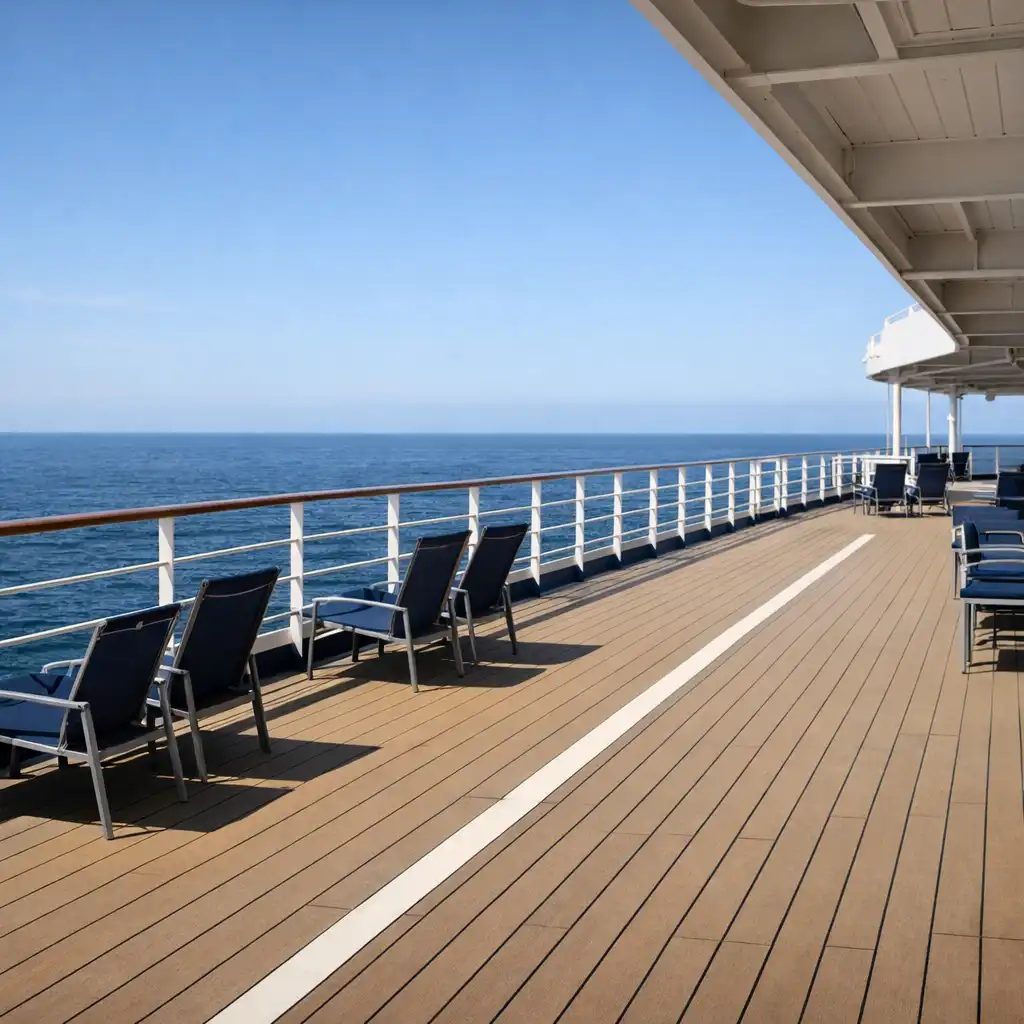
Open ship deck with railings, seating, sheltered structure and sea horizon
Railings, seating, walking paths and shelter are useful layout cues.

Weather-aware layout

Keep a sheltered option in mind

Wind, rain, sea air and changing temperatures can make indoor lounges, covered promenades and windowed observation areas relevant to research. Use New Zealand coastal and open-water context as a layout check, not as a forecast or a promise of comfort.

Dining / recreation timing

Consider activity patterns

Venue clusters, queue-prone access points, seating distribution and evening activity zones may influence the atmosphere near a cabin. When available, compare current daily programmes and operator details rather than assuming a venue or schedule from a plan alone.

Route context

Route context changes the ship question

The same deck plan can support different priorities depending on the kind of journey you are researching. Let route context sharpen what you inspect.

Coastal / fjord

New Zealand coastal and fjord days

Look at viewing access, sheltered public spaces, cabin-side preference and the practical timing of scenic periods. Sightlines and access can be affected by weather and operations, so treat this as an observational planning lens rather than an itinerary promise.

South Pacific

South Pacific journeys

Research outdoor deck use, shade, indoor alternatives, sea-day rhythm and distances between cabin and frequently used spaces. Do not assume a climate or programme; check current voyage details separately and focus on the layout you would use most.

Trans-Tasman

Trans-Tasman crossings

Give attention to open-water days, sheltered lounges, cabin location and how you prefer to spend time indoors or outdoors. Sea conditions vary, which is why a deck plan belongs beside route research rather than after it.

Practical caution

Sub-Antarctic research

Focus on observation practicality, warm indoor viewing alternatives, public-deck access and mobility needs. Confirm expedition and operational details through current official materials; this guide supports research without claiming that a particular ship visits a named location.

Shared spaces and policies

Onboard infrastructure and casino context

Review shared facilities as part of the daily experience, then keep casino information factual, adult-only and separate from ship comparison claims.

Infrastructure worth checking

Lifts and stairs: map distribution against your routine routes.

Seating and shelter: note practical alternatives to exposed deck time.

Access and services: review published accessible routes, guest-service location and medical information.

Daily arrangements: check laundry or self-service information where it is published.

Useful ship research distinguishes published facts from assumed inclusions. Consider access to dining and recreation spaces alongside the details above, then use current official sources for operational information that can change.

For current cruise and port information, continue through the official directory.

Explore Cruises & Port Guides (opens the official New Zealand cruise directory in a new tab)

Comparison method

How to compare a ship without chasing a score

A consistent personal method is more useful than an unsupported rating. Compare the trade-offs that affect your own time onboard.

1

Set your non-negotiables first

List needs such as accessible movement, cabin quiet, lift proximity, outdoor time, sheltered seating, dining preferences or a shorter walk to routine spaces. The same layout can work differently for different travellers, so avoid treating ship size or cabin location as a universal answer.

2

Read plan, category, and route together

Locate the cabin on a deck plan, map nearby public and service areas, then consider how voyage context changes daily use of that location. Check current operator documentation when a detail is time-sensitive or central to your comfort.

3

Record trade-offs, not just favourites

Note what each option improves and what it may compromise: distance, outlook, privacy, potential noise exposure, lift access or weather shelter. This makes the method repeatable without inventing a rating or score.

Port reference points

Connect ship research to the port day

Before a port call, connect onboard movement with a realistic plan ashore. These reference points are preparation prompts, not operational advice.

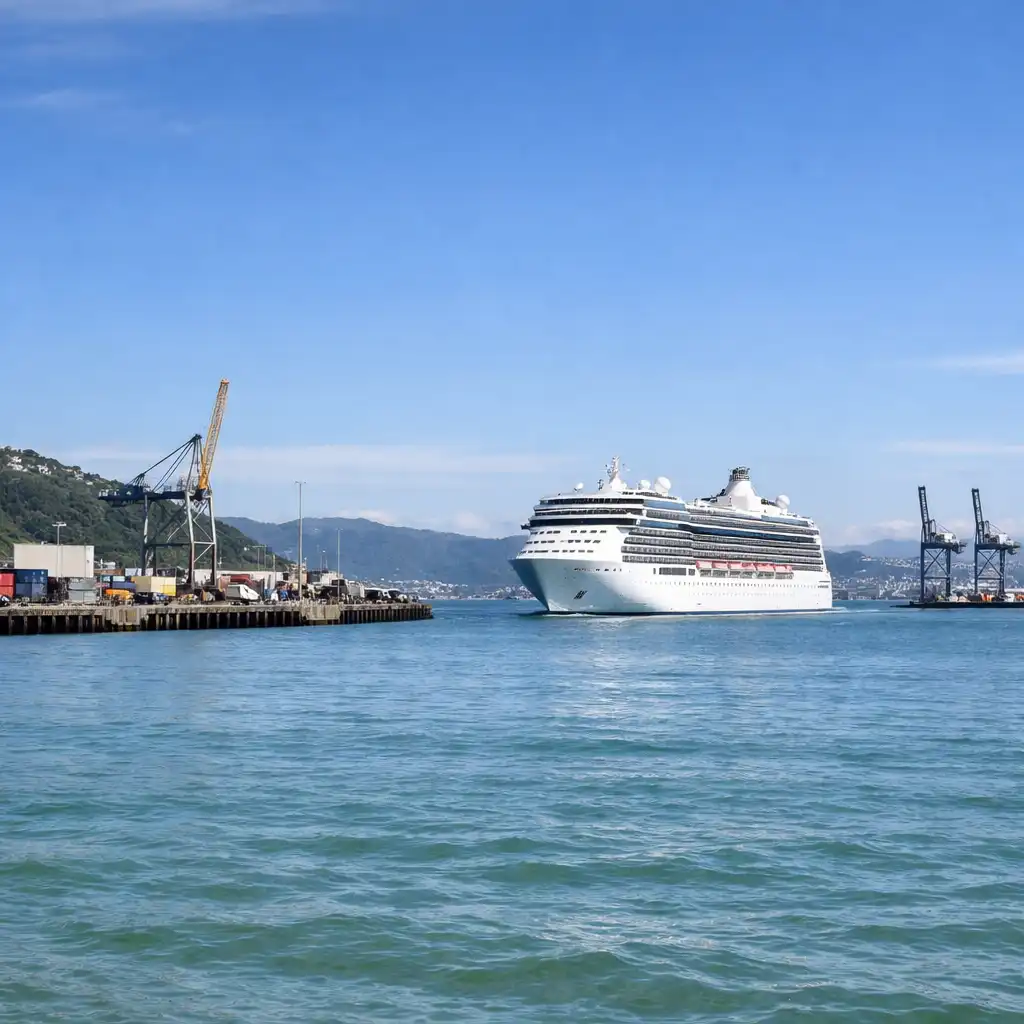
Cruise vessel near a New Zealand working waterfront with water and harbour context
Harbour context helps frame practical questions before a day ashore.

PORT REFERENCE / AUCKLAND

Auckland

Use Auckland as a reference point for reviewing arrival logistics, waterfront orientation, walking distances and how ship timing can shape a day ashore. Check official, current port and cruise information for operational specifics rather than relying on assumed terminal or schedule details.

Practical action: map the time between ship-side access and your intended waterfront movement.

PORT REFERENCE / WELLINGTON

Wellington

Connect arrival research with weather-aware clothing, waterfront movement and the distance between ship-side access and intended activities. Treat this as a planning lens rather than local operational advice, and avoid assuming transport or timing arrangements.

Practical action: prepare for changing conditions and allow movement time in your shore plan.

PORT REFERENCE / LYTTELTON

Lyttelton

Check current arrival information, shore-transfer arrangements where applicable, mobility needs and the time required to move from the port context to planned activities. Arrangements can vary, so keep attention on practical preparation and current official confirmation.

Practical action: identify the access detail that matters most to your mobility and timing.

Next research step

Compare the details that change life at sea

Use cabin position, deck circulation, protected and outdoor space, onboard rhythm, port context and current operator information to shape a comparison that fits you. Voyagepa Thguide is here to help you research and compare—not to book or make operator promises.

Explore Cruises & Port Guides (opens the official New Zealand cruise directory in a new tab)

Check availability, schedules and operating details through current official sources.